
#01 Before the Assembly
Amplify Minoritised Voices
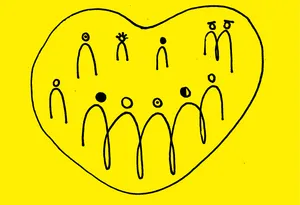
How to ensure participation from marginalised groups as assembly members? How to ensure that the voices of the most vulnerable are being heard and valued?
Input Throughput
Design pattern cards ▸
32 design pattern cards to reveal and reflect on ecosocial concerns across every phase of a climate assembly. Filter by phase, theme, or search.
Showing all 32 patterns
How to ensure participation from marginalised groups as assembly members? How to ensure that the voices of the most vulnerable are being heard and valued?
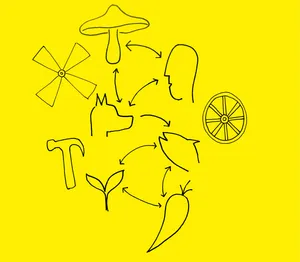
Which forms of knowledge are present? Whose narratives are given space? Who are invited as testimonials?
How to envision social-ecological transformations? How to foster imagination beyond business-as-usual?

How to empower participants to exercise agency after the assembly? How to provide the joining of forces with social movements and many others? How can participants become multipliers?

How to enable self-efficacy and democratic learning? How to empower participants to shape the agenda?
How can we arrive at proposals and decisions as peers? What makes a decision legitimate and collectively owned? Which decision-making modes (e.g., consensus, majority rule) fit which situation?
Which technologies are useful in assemblies? How do their democratic affordances shape participation? Which serve the interaction with the public? Which enables democratisation beyond the assembly?
## How is climate change framed and discussed? How are relations with the natural world rendered visible and enacted? How is the human-nature divide addressed?
How best to bring a diverse group of people together? How to overcome biases in sortition? How to deal with unequal acceptance of invitations and resulting voids?
How to create space for conflict, dissent, and ambivalence? How to include emotions and affective dimensions (e.g., frustration, grief, hope) in discussions about climate change?
## How to set objectives and scope for a CCA? Which questions should be broad, and which specific? What brings the most transformative power, while being viable?
## How to make time when there seems to be none? How to deal with unexpected urgencies? How to plan and facilitate timing well?
## Which resources are required to implement a CCA (time, space, budget, staff, competencies)? How to plan accordingly? What to do to compensate for missing resources while navigating constraints?
## How to co-create knowledge and learn from each other? Which learning style fits the assembly members? How to make space for different learning styles?
How to gather, store, and publish data? Which processes and tools support handling information during and after the assembly?
How to create a situation where everyone can meet on equal footing? How to create physical environments for productive interactions, engagement and collaboration?
How to deal with skepticism? How to support people that struggle with participating to public and group situations?
How to build upon valuable ideas over time, and not lose them on the go? How to enhance transparency and traceability? How to develop process-oriented archives that can be made publicly accessible?
How to support participants understanding institutional frameworks and policymaking? How to be clear about the constraints and trade-offs in implementing policy suggestions?
How to include public administration, policy-makers and others who are responsible for translating the assembly proposal? How to create formal processes to legitimise these engagements?
How to make the CCAs a public concern? How facilitate dialogue between the public and the assembly? How to bring an assembly and its results into the public debate?
How best to bring a group of people together, and lay foundations for their working together successfully? How to onboard not only facilitators and participants, but also scientists, information designers, and other contributors and “enablers”?
How to include radical perspectives? How to make fundamental critic and alternatives accessible? How to enable critical thinking?
How to clarify complex issues? How to avoid both information overload and oversimplification? How to co-create empowering knowledge?
Which decisions are made by whom? Who has which powers? Who chairs and organises the assembly? How are the committees set up?
How to tackle care as a core element of transformations? Which care practices are cultivated in CCAs? How to ensure care-ful environments and services? How do deal with the additional care work that CCAs can produce?
How to ensure the implementation of results? How to use referenda? How to effect change inside and outside the political system?
How to make assemblies more frequent or permanent? What existing formal processes for democratic participation (e.g., referendums) can be adopted by assemblies? What can we lear from prior experiences?
How to nurture trust and a sense of community among the assembly members? Which relationships are being strengthened or re-imagined? How can a transparent process be created?
## How to deal with situations in which participants' beliefs about the criticality, causes, or consequences of the climate crisis are not aligned? How to frame questions around climate change?
What needs to be reflected? What questions are we not asking yet? How to evaluate an assembly?
What does deliberation mean and involve in practice? Who can deliberate, and under what conditions? How do design, context, and emergent practices shape deliberative outcomes?
No patterns match these filters.